Instadapp guides: from first connection to advanced strategies
A guide is only useful if it survives contact with a real wallet, a real gas price and a real market. The five guides collected here are written in that spirit: each one takes a single task, states what you need before you start, walks the sequence in order, and finishes with the mistakes people actually make.
The sequence matters. The getting-started guide establishes the vocabulary and the safety habits. The Instadapp Lite guide introduces automated vaults, which is the gentlest way to hold a leveraged position. Refinancing and flash loans are the two power tools, and both assume you are comfortable reading a health factor. The DSA guide sits underneath all of them and explains why any of it is possible.
Every guide links to the glossary on first mention of a technical term, to the article that explains the concept behind the task, and to the next guide in the sequence. If you read them in order you will have covered the practical surface of the Instadapp stack.
Available guides

Getting started with Instadapp: your first safe session
A careful first session with Instadapp: wallet setup, creating a smart account, reading the dashboard, making a first supply and the safety checks to run before every transaction.
Read the guide →
How to use Instadapp Lite: automation without the dashboard
A practical guide to Instadapp Lite: how the automated ETH vaults work, how to deposit and withdraw, how net APY is produced and what risks the automation does not remove.
Read the guide →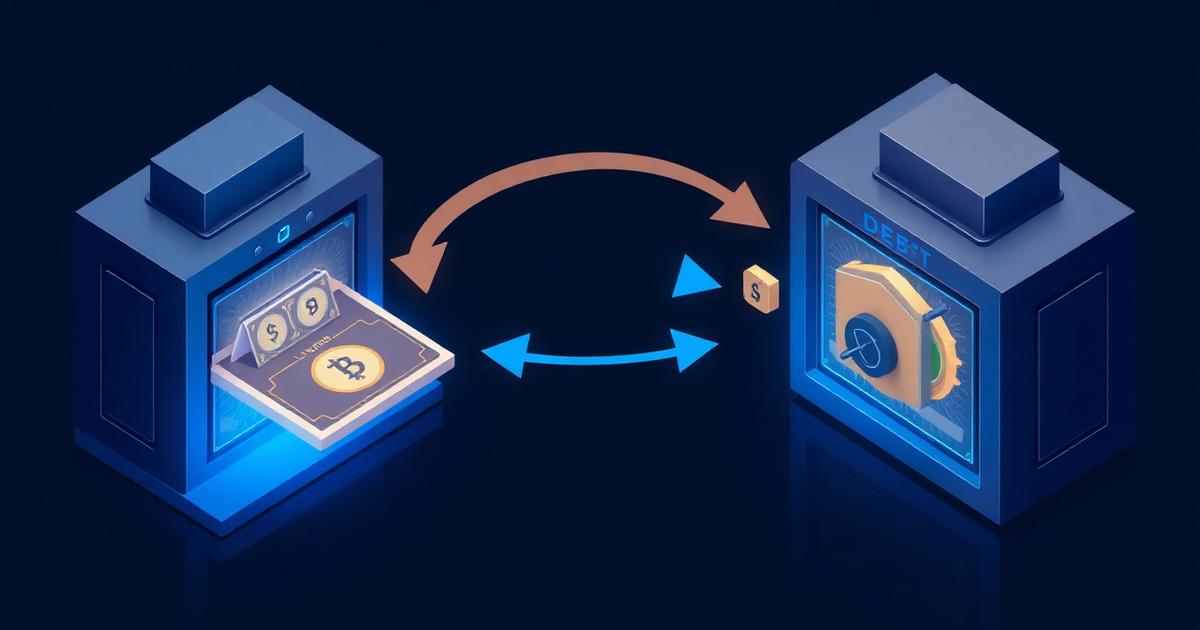
Refinance debt with Instadapp: moving a loan without closing it
How to refinance a DeFi loan with Instadapp: comparing rates across Aave, Compound and Maker, executing an atomic migration with a flash loan, and calculating whether it pays.
Read the guide →
Flash loans on Instadapp: borrowing millions for fifteen seconds
A practical guide to flash loans on Instadapp: the atomic borrow-and-repay mechanism, the 0.09 percent fee, realistic use cases, and how to model whether a flash loan is profitable.
Read the guide →
Instadapp DSA smart accounts: the layer everything else stands on
How Instadapp DSA smart accounts work: connectors, atomic transaction bundles, authorities and delegation, plus practical patterns for managing multiple accounts safely.
Read the guide →
How to connect your wallet to Instadapp
A practical guide to connecting MetaMask, Rabby, WalletConnect and hardware wallets to Instadapp, switching networks correctly, and fixing common connection problems.
Read the guide →
Instadapp liquidation risk: understanding your health factor
How liquidation actually works on Instadapp-connected lending protocols, what the health factor means, typical penalties, and how to avoid getting liquidated.
Read the guide →
Instadapp yield strategies: how the main approaches actually work
The main yield strategies available through Instadapp: leveraged staking loops, stablecoin lending, and Fluid vaults, with their respective risk and return tradeoffs.
Read the guide →
How to withdraw from Instadapp: Lite, Fluid and DSA positions
A practical guide to withdrawing funds from Instadapp Lite vaults, Fluid positions and DSA smart accounts, including repaying debt first and fixing stuck withdrawals.
Read the guide →