Instadapp articles: understanding the products behind the buttons
Guides tell you which button to press. Articles tell you why the button exists. This hub collects six explainers that cover the Instadapp product family from the outside in: the history of the project, the dashboard that most people meet first, the smart wallet that removes gas friction, and the liquidity protocol that may end up defining the next phase.
Two of the articles are deliberately uncomfortable. The comparison with DeFi Saver looks at where a competitor is genuinely stronger, and the security article catalogues the categories of risk — smart contract, oracle, liquidation, governance and user error — without softening them. An educational resource that only lists advantages is a brochure.
Each article is self-contained but cross-linked. Terminology follows the glossary, related guides are surfaced at the end of every piece, and the previous and next links let you read the whole set as a single long-form introduction to Instadapp.
Available articles

What is Instadapp? A middleware layer for decentralised finance
Instadapp explained from first principles: its origins as a MakerDAO dashboard, the smart account layer, the product family today, and who the platform is genuinely built for.
Read the article →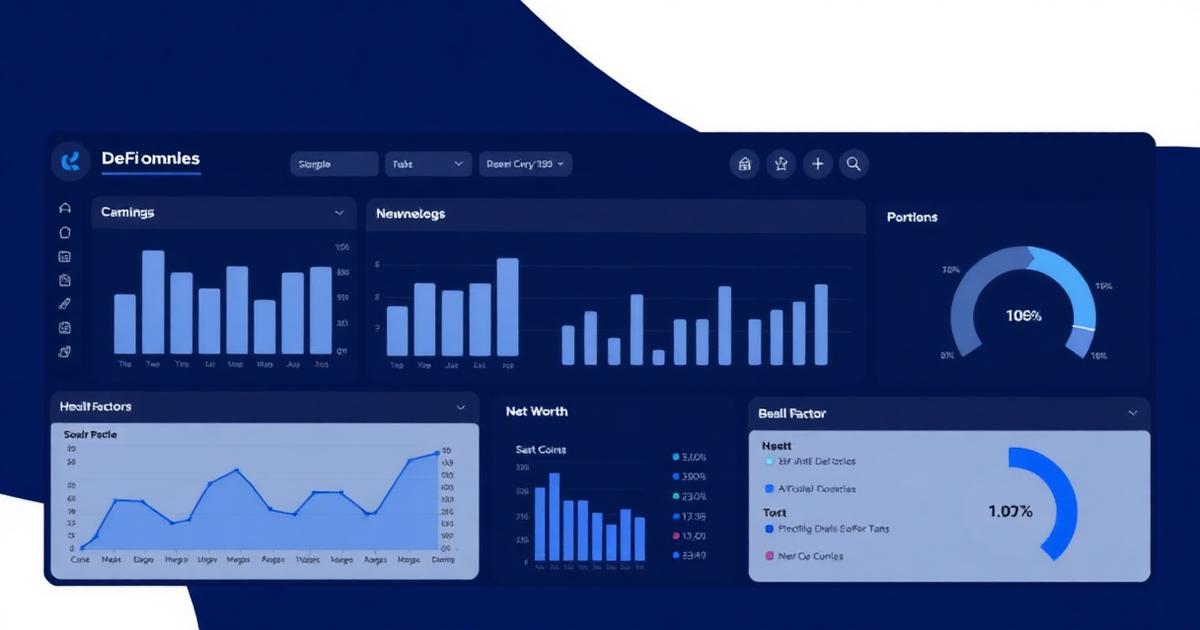
The Instadapp Pro dashboard explained, panel by panel
A walkthrough of the Instadapp Pro dashboard: the overview metrics, DeFi assets list, protocol panels, balance sidebar and the automation tools that sit behind them.
Read the article →
Instadapp vs DeFi Saver: which DeFi manager fits your strategy?
Instadapp compared with DeFi Saver across automation, protocol coverage, simulation tools, fees and target users, including where each platform is genuinely the better choice.
Read the article →
Avocado: the Instadapp wallet that hides the multi-chain mess
How the Avocado smart wallet from Instadapp works: paying gas in one currency across networks, the multi-chain single address model, and the trade-offs of the relayer design.
Read the article →
Fluid: how Instadapp merged lending, borrowing and a DEX
Fluid explained: how Instadapp's unified liquidity layer merges lending, borrowing, a DEX and vaults, why smart collateral raises capital efficiency, and what risks concentration brings.
Read the article →
Instadapp security and risk: what can actually go wrong
The real risk categories for Instadapp users: smart contract and connector risk, oracle failure, liquidation, automation limits, governance and phishing, with practical mitigations.
Read the article →
Is Instadapp safe? What the risk actually looks like
An independent look at Instadapp's safety record: audits, smart contract risk, past incidents, custody model and how it compares with using lending protocols directly.
Read the article →
Instadapp fees: what you pay beyond the headline zero
A breakdown of the costs of using Instadapp: gas fees, flash loan premiums, Instadapp Lite performance fees and how they compare to using protocols directly.
Read the article →
Instadapp supported networks: where you can actually use it
Which blockchain networks Instadapp supports today, how the experience differs between them, and what to check before moving a position across chains.
Read the article →
Instadapp Fluid vs Instadapp Lite: two different products, two different jobs
Comparing Instadapp Fluid's unified liquidity protocol with Instadapp Lite's automated vaults: how they differ in design, risk and who each one suits.
Read the article →
Instadapp alternatives: how the main DeFi dashboards compare
An honest comparison of Instadapp with DeFi Saver, Zapper, Furucombo and Zerion, covering what each tool does well and where Instadapp fits by comparison.
Read the article →
Instadapp vs Zapper: automation engine or portfolio dashboard
Instadapp and Zapper solve different problems: automated leverage management versus multi-chain portfolio tracking. Here is an honest comparison.
Read the article →
Instadapp vs Furucombo: structured automation or custom combos
Comparing Instadapp's guided smart-account products with Furucombo's visual transaction builder, and who each approach actually suits.
Read the article →
Instadapp Fluid APY: what the number on screen actually means
How Fluid's lending, vault and liquidity APYs are actually calculated, what drives them up or down, and how to read the numbers shown in the dashboard.
Read the article →
Instadapp gas costs: what you actually pay per transaction
How much gas Instadapp transactions actually cost, how bundling saves money, the difference between mainnet and layer twos, and when to time transactions.
Read the article →